
What Does OEM Mean in Car Parts and Should You Buy OEM Parts?
If you have ever searched for a replacement car part, you have probably come across the term OEM. Many drivers see it listed online or hear it from garages and breakers but are not always sure what it actually means. So, what does OEM mean in car parts, and is it worth paying extra for? […]
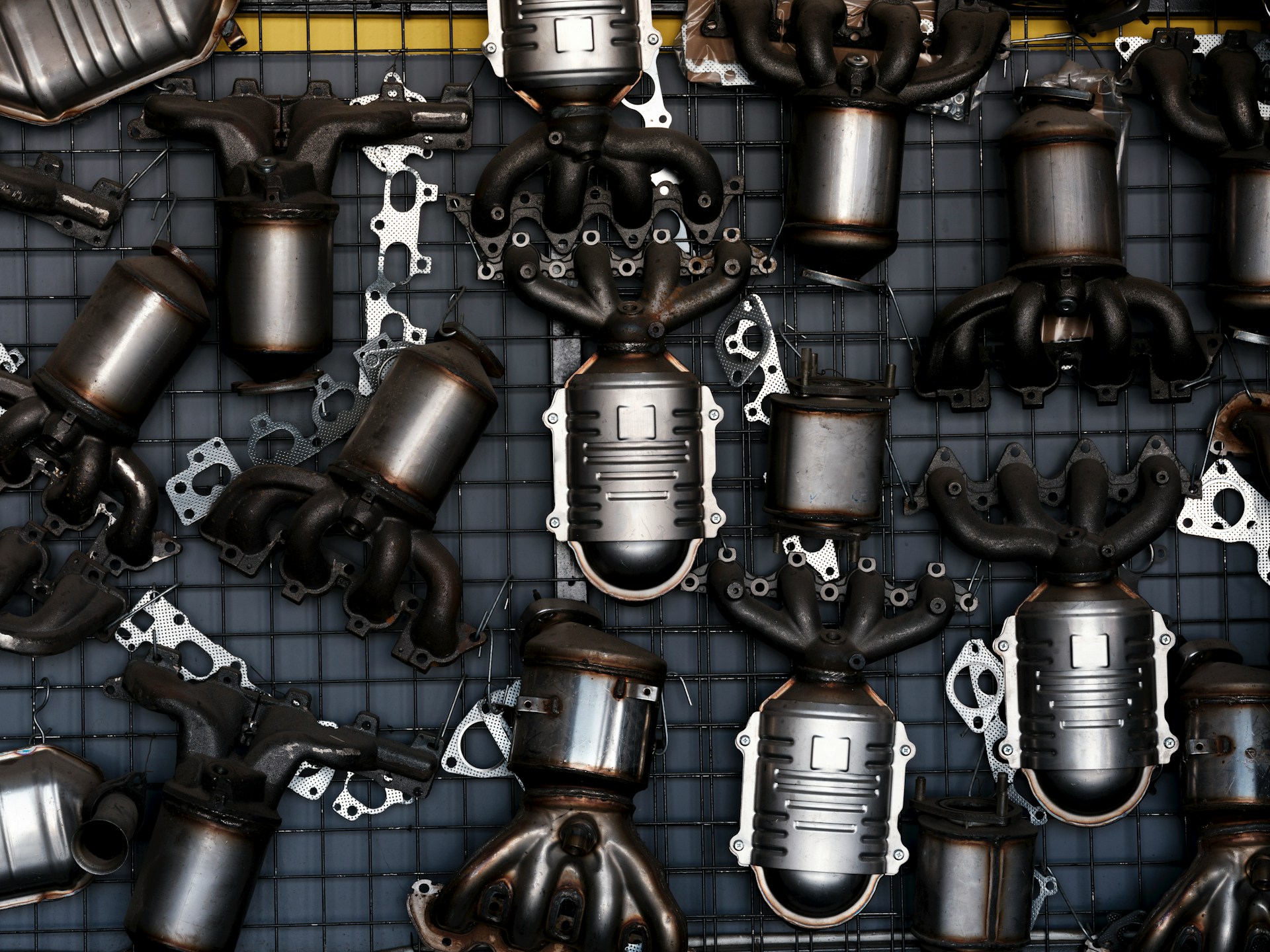
If you have ever searched for a replacement car part, you have probably come across the term OEM. Many drivers see it listed online or hear it from garages and breakers but are not always sure what it actually means.
So, what does OEM mean in car parts, and is it worth paying extra for?
In this guide, we explain exactly what OEM means, how OEM parts compare to aftermarket parts, the pros and cons, and how to find the right OEM car part at the best price.
What Does OEM Mean in Car Parts?
OEM stands for Original Equipment Manufacturer.
In the car parts world, this means the part was made by the same manufacturer that supplied the original component fitted to the vehicle when it was first built.
For example, if your car was built using a Bosch alternator, Valeo starter motor, or Denso sensor, an OEM replacement would be the same brand and specification as the original part.
This usually means:
- Exact or near-identical fitment
- Built to original manufacturer standards
- Reliable performance
- Compatible with your specific model
Many car owners choose OEM parts because they offer peace of mind and reduce the risk of fitting issues.
Are OEM Parts Always New?
Not always.
OEM parts can be:
Brand New OEM Parts
These are unused parts supplied by the original manufacturer or authorised seller.
Used OEM Parts
These are genuine original parts removed from another vehicle, often through vehicle dismantlers or breakers.
Used OEM parts can be an excellent option for older vehicles where buying brand new parts may be expensive or unnecessary.
They are especially popular for:
- Body panels
- Headlights
- Mirrors
- Interior trim
- Engines and gearboxes
- Alloy wheels
If sourced from a trusted supplier, used OEM parts can save significant money while still giving you an original fit.

Where to Buy OEM Parts
If you want OEM parts at competitive prices, PartsGateway is one of the easiest ways to compare quotes from trusted UK suppliers and breakers.
Simply enter:
- Your registration number or vehicle details
- The part you need
- Your contact details
You can then receive quotes from trusted sellers across the UK, often within minutes.
This is a practical way to compare prices locally and find OEM, recycled, or genuine used parts without contacting multiple suppliers yourself.
Benefits include:
- Fast price comparisons
- Trusted UK breakers and suppliers
- OEM and genuine used part options
- Parts delivered to your door
- Potential savings of up to 70% with green recycled parts
Pros of OEM Parts
There are several reasons why buyers prefer OEM parts.
1. Better Fitment
OEM parts are made to original specifications, so they are more likely to fit correctly first time.
2. Reliable Quality
Because they match factory standards, OEM parts often provide dependable performance.
3. Warranty Potential
Many new OEM parts may include a manufacturer warranty. Always check before buying.
4. Original Branding
If you want to keep your vehicle as original as possible, OEM parts often come with the same manufacturer branding such as Ford, Audi, BMW, Honda or Volkswagen.
5. Strong Resale Appeal
Some buyers prefer cars maintained using genuine OEM parts.
Negatives of OEM Parts
While OEM parts have benefits, they are not always the best option.
1. Higher Cost
OEM parts are often more expensive than aftermarket alternatives.
2. Availability Issues
For older or discontinued vehicles, brand new OEM parts can be hard to find.
3. Limited Choice
Unlike aftermarket parts, OEM usually means sticking to one specification rather than choosing upgraded alternatives.
Using PartsGateway can help reduce OEM costs by comparing multiple supplier quotes.
OEM vs Aftermarket Parts
A common question is whether OEM or aftermarket is better.
Choose OEM If You Want:
- Original fit and specification
- Genuine branding
- Peace of mind
- Factory-standard performance
Choose Aftermarket If You Want:
- Lower prices
- Wider brand choice
- Performance upgrades
- Faster availability in some cases
Many aftermarket parts are high quality, but quality can vary between brands. That is why buying from trusted sellers matters.
Conclusion
So, what does OEM mean in car parts?
It means Original Equipment Manufacturer parts made to the same standard as the original components fitted when the car was built. They are popular because of their fit, reliability, and genuine branding, but they can cost more than aftermarket alternatives.
If you want the safest fit and original quality, OEM parts are often a smart choice. If saving money is the priority, quality aftermarket or used OEM parts can also be excellent options.
If you need to replace a car part, you can request it through PartsGateway. You’ll receive quotes from trusted breakers and suppliers across the UK, helping you find the right part at a competitive price.