
How to Change a Car Battery at Home (Step-by-Step Guide)
A flat or failing battery can leave you stranded at the worst possible time. The good news is that changing a car battery is a job many drivers can do themselves. If you have the right tools, a bit of knowledge, and the correct replacement battery, you can replace your car battery in your garage […]
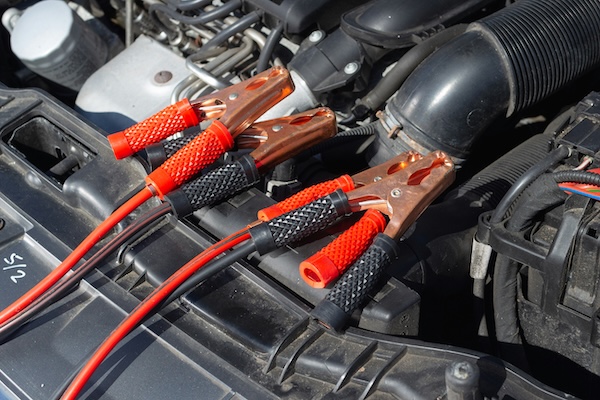
A flat or failing battery can leave you stranded at the worst possible time. The good news is that changing a car battery is a job many drivers can do themselves.
If you have the right tools, a bit of knowledge, and the correct replacement battery, you can replace your car battery in your garage or even on your front drive.
In this guide, we’ll explain how to change a car battery safely, how to tell when your battery needs replacing, and how to make sure you buy the right battery for your vehicle.
Step 1: Make Sure You Get the Right Battery
Before you begin, the most important step is making sure you have the correct battery for your vehicle.
Car batteries vary in:
- Size
- Power output
- Terminal layout
- Cold cranking amps (CCA)
Using the wrong battery can cause starting issues or electrical faults.
Sometimes it’s not always obvious which battery your car needs. Different models and engine sizes often require different specifications.
At PartsGateway, we make finding the right part simple.
All you need to do is:
- Enter your registration number or vehicle details
- Submit a quick parts request
- Receive quotes from trusted UK breakers and suppliers
This allows you to compare prices from suppliers across the UK and find the right battery at a competitive price.
Once you’ve got the right battery, you’re ready to get started.

How to Tell if Your Car Battery Needs Replacing
Most vehicles will show warning signs before the battery completely fails. Recognising these early symptoms can help you avoid being stuck with a car that won’t start.
Here are some common signs of battery problems.
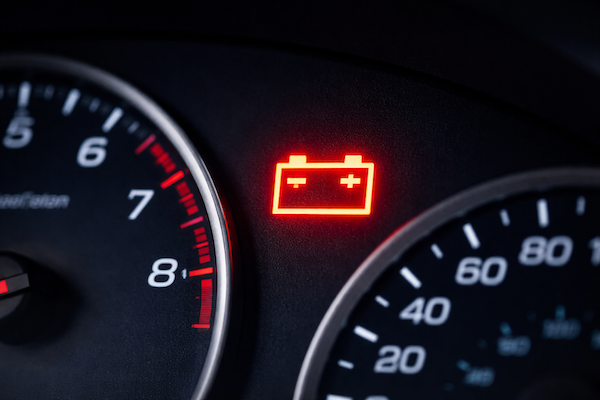
1. Battery Warning Light on the Dashboard
A battery symbol appearing on your dashboard can indicate a charging issue or a failing battery.
2. The Engine Struggles to Start
If the engine takes longer than usual to start, or sounds like it’s struggling to turn over, your battery may be losing charge capacity.
3. Electrical Problems
Faulty batteries can cause unusual electrical behaviour, including:
- Flickering lights
- Slow electric windows
- Radio or infotainment glitches
4. Corrosion Around the Terminals
A build-up of green or white powdery residue around the battery terminals often signals corrosion and can affect electrical connections.
If you notice one or more of these symptoms, it may be time to replace your battery.
Things to Know Before Changing Your Car Battery
Before removing your battery, it’s worth knowing that disconnecting it can reset certain systems in your vehicle.
This may include:
- Radio presets
- Clock settings
- Infotainment systems
- Security codes or PIN numbers
Make sure you have any necessary codes or login details available before starting the job.
Safety First
Always wear protective gloves when handling a car battery.
Battery acid is highly corrosive and can cause burns if it comes into contact with your skin. Taking basic precautions can prevent injury.

How to Change a Car Battery: Step-by-Step
Step 1: Get Prepared
Start by parking the car safely and switching the engine off.
Make sure:
- The handbrake is applied
- The keys are removed from the ignition
- The car is completely powered down
Then open the bonnet and locate the battery. If you’re unsure where it is, check your vehicle handbook.
Step 2: Disconnect the Negative Terminal
The negative terminal is usually marked with a minus sign (-) or labelled “NEG”.
Using a spanner or pliers:
- Loosen the nut securing the cable
- Twist the connector gently
- Pull the cable away from the terminal
Make sure the cable doesn’t spring back into contact with the terminal.
Avoid touching other metal components while working.
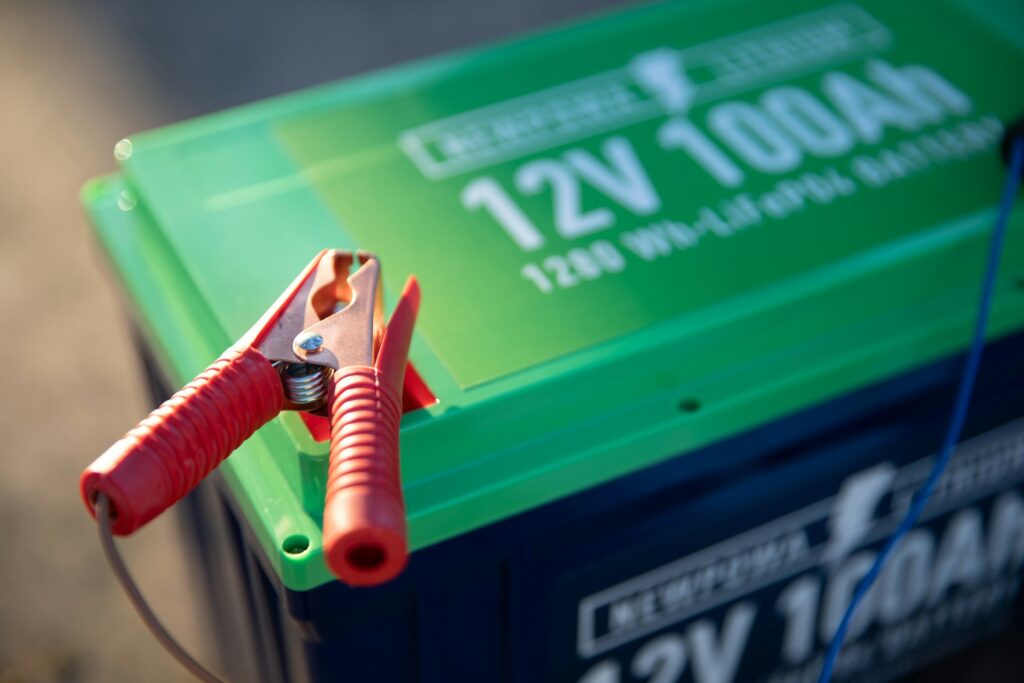
Step 3: Disconnect the Positive Terminal
Next, disconnect the positive terminal.
This will be marked with a plus sign (+) or labelled “POS”.
Repeat the same process used for the negative terminal:
- Loosen the bolt
- Twist the connector
- Pull the cable away carefully
Step 4: Remove the Hold-Down Bracket
Some batteries are secured with a hold-down bracket or clamp.
If your car has one, you’ll need to remove it before taking the battery out. These are usually secured with bolts that can be loosened using a socket or spanner.
Not all vehicles have this bracket, so this step may not be necessary.
Step 5: Remove the Old Battery
Carefully lift the battery out of the tray.
Car batteries are heavier than they look, so lift steadily and keep it upright to avoid spilling any corrosive liquid.
While the battery is removed, this can be a good opportunity to:
- Clean the battery tray
- Remove any corrosion from terminals
- Check surrounding wiring
Step 6: Install the New Battery
Place the new battery into the tray in the same orientation as the old one.
If your vehicle uses a hold-down bracket, secure it again.
Now reconnect the terminals in the reverse order:
- Connect the positive (+) terminal first
- Tighten the connection securely
- Connect the negative (-) terminal last
Make sure both terminals are firmly attached.
Step 7: Test the Battery
Once everything is connected, start the engine.
If the car starts normally and electrical systems are working properly, the installation has been successful.
You may need to reset things like the clock or radio settings after reconnecting the battery.
How Long Do Car Batteries Last?
A new car battery can last several years depending on driving conditions and usage.
In many vehicles, a battery can last around five to seven years under ideal conditions, according to the RAC.
Factors that affect battery lifespan include:
- Short journeys
- Cold weather
- Electrical load from accessories
- Poor charging from the alternator
Regular checks can help spot issues before the battery fails completely.
Conclusion
Changing a car battery is one of the more straightforward maintenance tasks many drivers can do themselves.
As long as you have the right tools, the correct replacement battery, and follow the correct safety steps, the job can usually be completed in under 30 minutes.
The most important step is making sure you get the right battery for your vehicle in the first place.
If you need to replace a car battery, you can request the part through PartsGateway. You’ll receive quotes from trusted breakers and suppliers across the UK, helping you find the right part at a competitive price.